Related Articles
- 7 Game-Changing Student Budget Apps Released Since 2019 That Slash College Living Expenses
- The Silent Toll of Campus Health Services: Unpacking the Overlooked Expenses Students Face Beyond Tuition
- Examining Virtual Tour Accessibility Challenges for Neurodiverse and Disabled Students in Higher Education
- The Role of Virtual Campus Visits in Shaping Student Identity and Community Belonging from Afar
- How Procrastination Patterns Shape College Application Outcomes: Analyzing the Role of Timing in Student Decisions
- How Seasonal Patterns Influence Decision-Making Mindsets During Critical College Application Phases
Unearthing Campus Legends: How Virtual Tours Reveal Forgotten Student Folklore and Secret Traditions
Unearthing Campus Legends: How Virtual Tours Reveal Forgotten Student Folklore and Secret Traditions
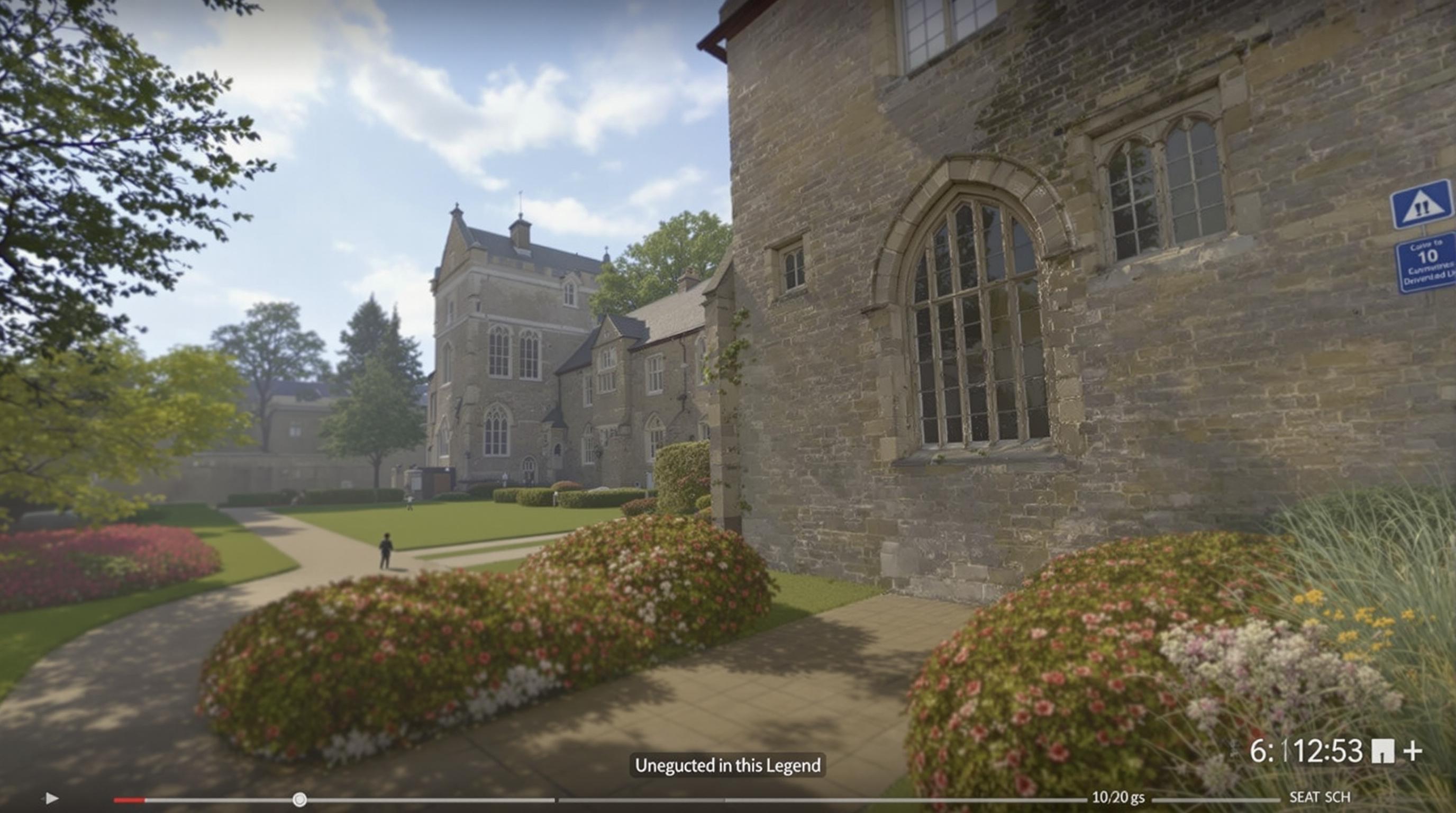
Virtual tours are transforming the way we explore college campuses, uncovering hidden student folklore and long-forgotten traditions that enrich campus culture. By blending technology with storytelling, these immersive experiences breathe new life into the legends that shape student identity and community.
The Hidden Narratives Behind Campus Landmarks
Every campus is a tapestry woven with stories—some loud and proud, others whispered in the halls or inscribed in secret journals. Take, for example, the story of the “Midnight Bell” at University of St. Andrews, where students believed ringing the bell at midnight would ensure academic success. Although the bell hasn’t tolled for decades, virtual tours now digitally revive these tales, allowing new generations to engage with traditions even after buildings and rituals have faded.
What is fascinating is how these narratives survive despite physical changes on campuses. As one survey conducted by the National Association of College and University Historians revealed, up to 65% of students and alumni recalled at least one piece of student lore that made their experience memorable (NACUH, 2022). Virtual tours harness this collective memory, creating an interactive interface for folklore preservation.
Virtual Tours as Living History Books
Imagine embedding oral histories, archival photographs, and augmented realities into a virtual pathway that students can explore from anywhere in the world. These tours are more than just virtual representations of buildings; they act as “living history books.” This dynamic approach to campus tours invites users to delve into secret student societies, pranks pulled decades ago, and rituals performed at odd hours.
What’s more, many universities have started collaborating with alumni to collect stories and artifacts to enrich these tours. This crowdsourcing of memory not only fosters connection but democratizes the history-making process, showing that legends are not static but evolving with each retelling.
Anecdotes from the Ivy League
At Harvard, for instance, the legend of “The Secret Tunnel” linking early student dormitories has captivated generations. Once thought to be mere myth, recent virtual explorations guided by old blueprints have indicated the tunnel might have existed, spurring archaeological digs and renewed campus interest. This revelation has re-energized Harvard’s campus folklore and increased virtual tour engagement by 30% within a semester.
Stories like these reveal how virtual tours can serve as investigative tools, shedding light on campus mysteries that were forgotten or hidden, inviting curiosity and scholarship alike.
From Pranks to Rituals: A Kaleidoscope of Campus Traditions
One of the most charming aspects of student folklore lies in the prank culture that many campuses pride themselves on. Virtual tours brilliantly juxtapose these humorous accounts with solemn rituals designed to build student solidarity. For example, the University of Michigan’s “M Footsteps” tradition—where freshmen walk over a designated spot believed to bring good luck on exams—has been digitally recreated in 3D, allowing prospective students to experience the charm virtually.
Such interactive elements help bridge the gap between generations, making legacy traditions accessible to the digital native and the nostalgic alum alike. According to a 2023 Pew Research Center study, 72% of college-aged students said they felt more connected to their institution when they engaged with interactive digital content.
The Persuasive Power of Digital Storytelling
You might wonder why universities invest so heavily in these virtual narratives. The answer lies in the persuasive power of storytelling to foster a sense of belonging. Studies in educational psychology suggest that students who feel connected to their campus culture tend to perform better academically and socially (Harvard EdLab, 2019). Virtual tours that relive secret traditions and folklore help cement these connections before a student even steps foot on campus.
Moreover, such tours serve recruitment efforts by highlighting the unique cultural fabric of the institution. A compelling virtual experience is often what sets one university apart in the crowded educational landscape.
Humor as a Bridge Across Time
Let’s pause and chuckle at one classic prank recounted during a virtual tour at the University of Oregon, where students prankishly swapped a statue’s plaque to honor a fictional alumnus supposedly “inventing” athletics. The humor resonates universally, making historical anecdotes approachable and memorable.
Funny stories like these humanize campuses, reminding everyone that beyond academic rigors, college life includes laughter, creativity, and vibrant social exchange.
Challenges: Preserving Authenticity and Avoiding Myth-Making
While virtual tours offer incredible opportunities to revive campus legends, they also raise important questions about historical accuracy. How do we balance storytelling flair with factual integrity? There is a thin line between celebrating folklore and perpetuating myths that might misrepresent the campus's true history.
Digital archivists and historians involved in tour creation often grapple with this dilemma. Incorporating multiple perspectives and source verifications becomes crucial to maintain an authentic narrative. For example, the University of Virginia implemented a “Myth vs. Reality” feature in its virtual tours, allowing users to explore stories with contextual corrections.
Case Study: The Silent Bell of Yale
Yale’s famous “Silent Bell” story, which purported that ringing the bell during finals caused overnight snowfall, was long considered legend until researchers found historical newspapers documenting an unusual storm coinciding with a student prank involving the bell in 1923. This blend of myth and documented fact demonstrates how virtual tours can use technology to highlight the complex interplay between folklore and history.
Engagement Beyond the Screen
The best virtual tours don’t stop at passive viewing; they invite participation. Interactive quizzes, live storytelling sessions with alumni, and social media challenges tied to campus legends encourage users to become storytellers themselves, ensuring these traditions remain alive and evolving.
This participatory model aligns with the preferences of today’s learners who thrive on experiential and social learning.
Technology’s Transformative Role
Behind the scenes, cutting-edge technologies like virtual reality (VR), augmented reality (AR), and 360-degree video are central to crafting these rich, immersive experiences. According to TechEd magazine, the market for educational VR experiences grew by 45% in 2023, largely driven by demand in higher education.
By incorporating AR overlays, users can reveal hidden inscriptions on statues or “see” historical reenactments on the grounds. These features engage multiple senses, making history more tangible and memorable.
A Student’s Perspective
As a 21-year-old college student and tech enthusiast involved in developing a virtual tour for my campus, I can attest to the excitement these projects generate. Not only are we preserving our folklore, but we’re also inviting a global audience to discover the campus’s soul in ways traditional brochures never could.
The blend of storytelling, technology, and history creates an experience that is more than the sum of its parts, encouraging curiosity and pride.
The Future of Campus Legends
As universities continue to digitize, the scope for preserving and amplifying student folklore expands. Emerging technologies like AI-driven narrative customization hold promise for personalized tours adapting to individual interests. Imagine a virtual guide who shares different legends depending on whether you’re into sports, theater, or activism!
Such innovations could deepen engagement, ensuring campus legends thrive in the 21st century and beyond.
Conclusion
Unearthing campus legends through virtual tours bridges past and present, bringing hidden stories and secret traditions to life in captivating new ways. By intertwining technology with storytelling, these digital journeys foster stronger campus connections while preserving cultural heritage for future generations.
As both a medium of education and entertainment, virtual tours stand at the forefront of how we experience and celebrate the rich tapestry of student lore.
Read More