Related Articles
- 7 Game-Changing Student Budget Apps Released Since 2019 That Slash College Living Expenses
- The Silent Toll of Campus Health Services: Unpacking the Overlooked Expenses Students Face Beyond Tuition
- Examining Virtual Tour Accessibility Challenges for Neurodiverse and Disabled Students in Higher Education
- The Role of Virtual Campus Visits in Shaping Student Identity and Community Belonging from Afar
- How Procrastination Patterns Shape College Application Outcomes: Analyzing the Role of Timing in Student Decisions
- How Seasonal Patterns Influence Decision-Making Mindsets During Critical College Application Phases
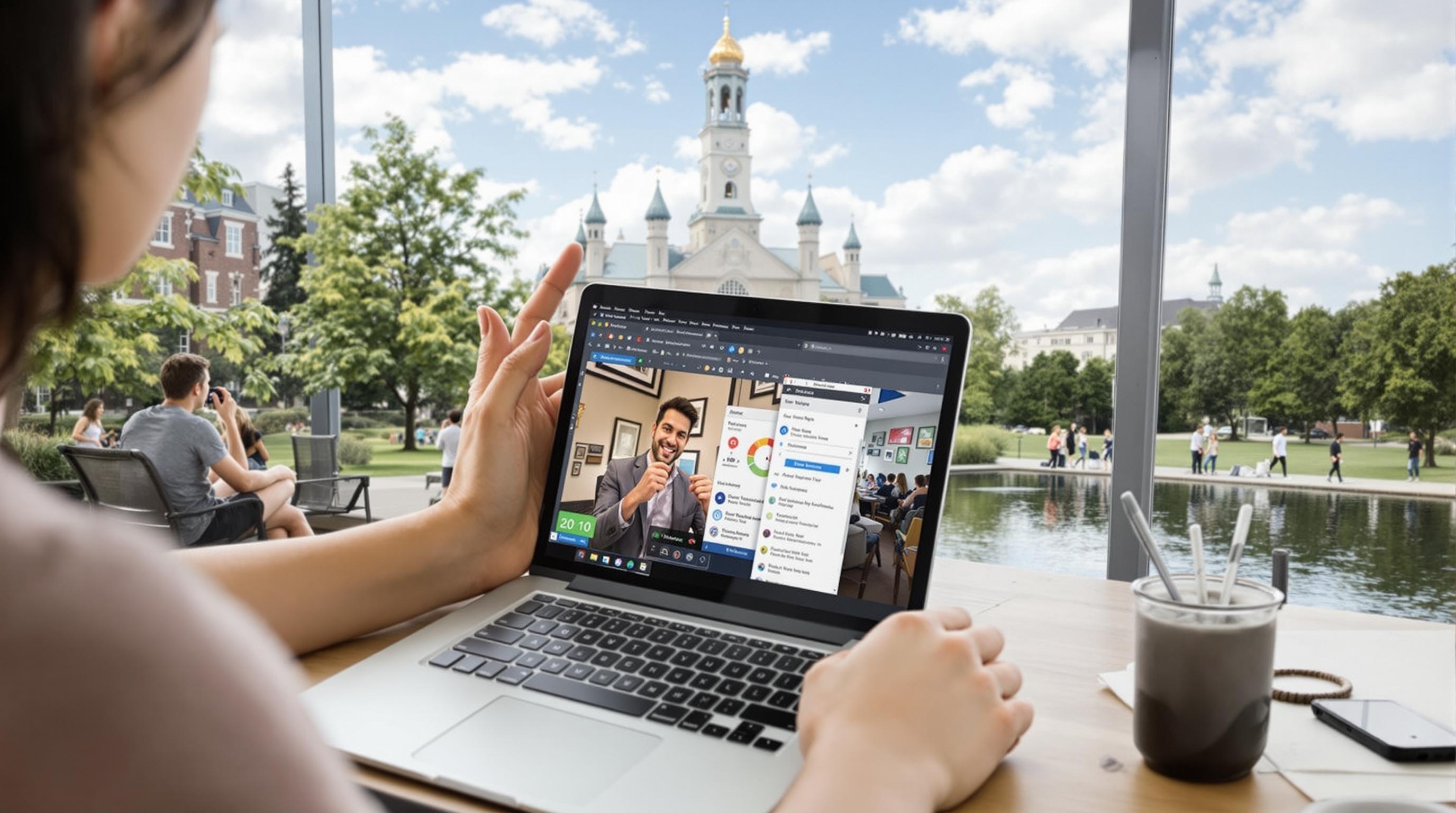
5 Unexpected Benefits of College Virtual Tours for International Students Navigating Admission Anxiety and Logistics
5 Unexpected Benefits of College Virtual Tours for International Students Navigating Admission Anxiety and Logistics
5 Unexpected Benefits of College Virtual Tours for International Students Navigating Admission Anxiety and Logistics
1. Alleviating Admission Anxiety
Virtual tours offer a calming experience for students overwhelmed by the complexity of college admissions. For many international students, the process can be intimidating, given the unfamiliar systems and high stakes involved. Being able to virtually walk through the campus helps demystify the environment, making it feel more approachable and less intimidating before decision-making.
The immersive nature of virtual tours helps students visualize their potential new academic home, which can reduce stress and uncertainty. According to a study by the Journal of College Admission, students who took virtual campus tours reported feeling more confident during the application process (JCA, 2022).
Moreover, this confidence extends beyond admissions anxiety; it encourages proactive next steps, such as reaching out for additional information or preparing better for interviews, positively influencing overall admission outcomes.
2. Overcoming Geographic Barriers
Virtual tours eliminate the need for costly and time-consuming travel, which is often a significant barrier for international students. Many students face visa restrictions, travel expenses, and time zone differences that prevent them from visiting campuses in person. Virtual tours bridge this gap by providing access to a realistic campus experience from anywhere in the world.
With interactive maps, 360-degree videos, and live Q&A sessions integrated into virtual tours, students receive comprehensive information that rivals or even surpasses traditional visits. This digital approach not only democratizes access but also aligns with sustainability efforts by reducing carbon footprints related to travel.
Universities increasingly recognize this benefit and have invested in enhancing virtual platforms, ensuring that all prospective international students feel included despite global mobility challenges (Inside Higher Ed, 2023).
3. Detailed Insight into Campus Facilities
Virtual tours provide detailed views of academic buildings, dormitories, libraries, and recreational facilities, allowing students to assess campus life more accurately. For international students, understanding the facilities’ quality and availability is crucial since these directly affect daily living and learning experiences.
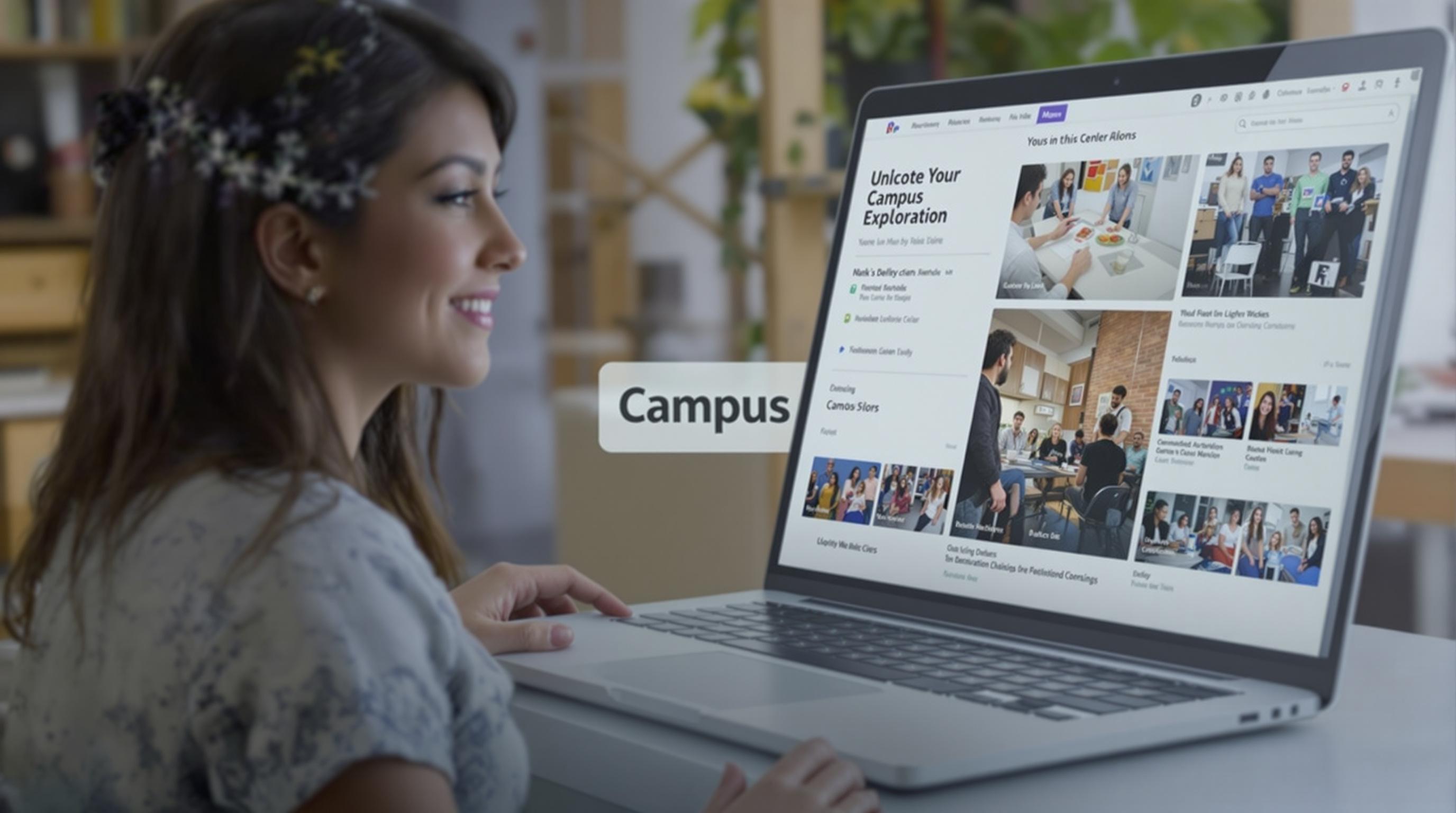
Unlike static webpages or brochures, virtual tours enable real-time exploration. Students can “walk” through dorm rooms, see meal plan options, or check technology resources, helping them feel more prepared and informed about what awaits them.
This level of transparency also helps families gauge the safety and comfort of the campus environment, which is a critical factor for students living far from home and seeking reassurance before committing to enrollment.
4. Enhancing Cultural Familiarity
Going beyond infrastructure, virtual tours often highlight cultural events, student diversity, and community activities, aiding cultural integration. International students frequently experience culture shock, and early exposure to campus traditions, clubs, and social life can lessen feelings of isolation.
By showcasing multicultural organizations and events during the tour, universities foster a sense of welcome and belonging. This preview of social opportunities encourages students to engage actively once they arrive, smoothing their transition.
Research from the Journal of International Students indicates that students who feel culturally prepared through such virtual experiences report higher satisfaction and lower dropout rates during their first semester (JIS, 2021).
5. Customized Interactive Guidance
Many virtual tours now incorporate AI-driven chatbots and personalized content, providing tailored assistance for international students’ specific questions. This functionality helps students explore topics like visa application processes, scholarship opportunities, and course selection at their own pace without waiting for office hours.
Interactive features allow prospective students to request virtual meetings with admissions counselors or alumni from their region, creating direct and meaningful human connections despite physical distance.
The personalized approach reduces confusion and empowers international applicants to navigate administrative logistics more efficiently, contributing to higher enrollment success rates (EdTech Magazine, 2023).
6. Improved Time Management for Busy Applicants
Virtual tours offer the flexibility to explore campus environments on students’ own schedules, accommodating different time zones and commitments. International students often juggle academic workloads, standardized tests, and financial planning alongside the admissions process. The ability to access tours anytime aids in balancing these demands.
This asynchronous access means students can review campus features multiple times, revisit areas of interest, and discuss findings with family or counselors without pressure.
Such flexibility optimizes decision-making quality and reduces last-minute stress, leading to more thoughtful and confident application submissions.
7. Early Exposure to Technological Competency
Engaging in virtual tours familiarizes international students with digital tools and platforms used by their future institutions. Navigating these systems early shapes students’ comfort with online learning environments, course registration portals, and campus communication methods.
This preparatory experience is especially valuable given the growing role of hybrid and remote education models. It also aids students in troubleshooting technical challenges before arrival.
By bridging the technological gap, virtual tours contribute to smoother academic integration and reduce barriers related to unfamiliar digital ecosystems (Educause Review, 2022).
8. Facilitating Peer Connection and Social Networking
Virtual campus tours often include community forums and live events that enable prospective international students to connect with current students and peers. Building social networks before arriving on campus mitigates loneliness and supports emotional well-being during relocation.
These interactions also provide candid insights about student life, internships, and academic challenges, complementing official information found during tours.
Early peer engagement has been shown to enhance motivation, academic performance, and overall adjustment to college culture for international students (NASPA, 2020).
9. Access to Updated and Accurate Information
Unlike printed brochures or static websites, virtual tours can be regularly updated to reflect real-time campus developments and policy changes. International students benefit from the most current data about housing availability, health protocols, program offerings, and campus events.
This accuracy reduces the risk of misunderstandings that might arise from outdated materials and helps applicants make decisions based on the latest institutional context.
Institutions leveraging real-time data integrations demonstrate transparency and commitment to prospective international students’ needs, enhancing trust and credibility.
10. Supporting Sustainable and Inclusive Admissions Practices
Virtual tours contribute to environmentally sustainable admissions by reducing carbon emissions associated with international travel. They also promote inclusivity by offering equal access irrespective of economic background or physical ability to travel.
By lowering barriers related to cost and mobility, these tours help widen the diversity of applicant pools and foster a more globally representative campus culture.
As universities strive to meet sustainability and equity goals, virtual tours exemplify how technology can support both institutional missions and student success simultaneously (UNESCO, 2023).
Read More